Proper, conscious posture is critical to maintaining a healthy body, acting as the foundation for safety and effectiveness across all forms of physical activity.
Whether you are lifting weights, practicing yoga, stretching, or doing martial arts, proper alignment ensures that muscles are engaged correctly and that stress is distributed evenly across the skeleton, which reduces the risk of injury
Why Proper Posture Matters Across Disciplines
Weight Training: Proper form prevents excessive strain on the spine and joints, preventing injuries like slipped discs or muscle strains. It ensures the targeted muscles are effectively engaged rather than relying on momentum.
Yoga: While often focused on flexibility, yoga requires alignment to build strength at the edges of the body's range of motion, reducing the risk of injuries.
Martial Arts: A strong, aligned posture (or Kamae) is crucial for balance, allowing practitioners to move with power, speed, and grace while preventing injury from repetitive movements.
Stretching: Proper, controlled alignment during stretches ensures that the intended muscles are lengthened without causing strain to the joints.
Long-Term Health Benefits
Spinal Health: Good posture prevents the wear and tear that leads to a fragile, pain-prone spine.
Injury Prevention: By keeping muscles and joints aligned, it reduces the risk of falls and acute injuries.
Improved Function: Proper alignment improves circulation, digestion, and breathing capacity.
Reduced Pain: It alleviates chronic pain in the back, neck, and shoulders.
Key Principles for Maintaining Proper Posture
Core Engagement: A strong, engaged core connects the upper and lower body, supporting the spine and preventing slouching.
Mindful Movement: Being aware of your body's position while sitting, standing, or moving (known as dynamic posture) prevents muscle fatigue and injury.
Neutral Spine: Maintaining a "neutral spine" (avoiding excessive arching or rounding) is essential for safety, especially under heavy loads.
Ultimately, consistency is key, and treating posture as a lifelong, daily practice—not just a during-the-workout consideration—is necessary for long-term health and mobility.
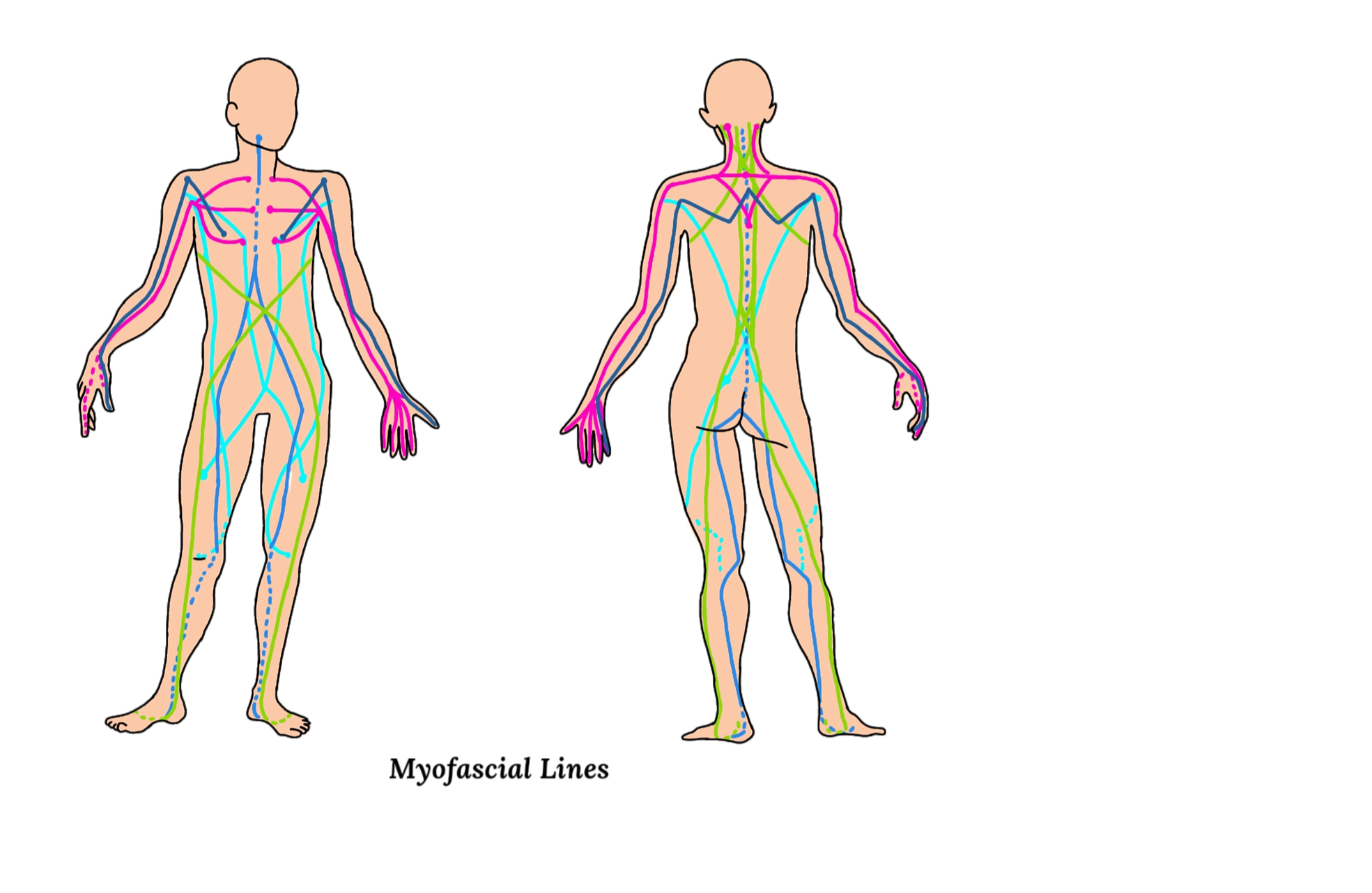
Meet Your Body's "Internal Architect": Fascia
When we talk about getting fit or fixing your posture, we usually talk about muscles and bones. But there is a massive, hidden player running the show: Fascia.
Think of fascia as a seamless, silvery "web" of connective tissue that wraps around every muscle, bone, and organ in your body. It’s the stuff that gives you your shape. When it’s healthy, it’s flexible and bouncy—allowing you to move like a well-oiled machine.
Why It Matters for Your Training
If you’ve ever felt "stuck" or tight despite stretching, it’s likely your fascia, not your muscles. Over time, things like sitting at a desk, old injuries, or repetitive movements cause fascia to become thick, dehydrated, and sticky.
When your fascia gets "glued" down, it pulls your body out of alignment, leading to:
Persistent aches that won't go away.
Limited range of motion in your squats or overhead reaches.
Postural habits (like rounded shoulders) that feel impossible to break.
Training the Whole System
In our sessions, we don’t just train your muscles; we train your fascial lines. By incorporating mobility work, hydration, and myofascial release, we "unstick" those tight spots. This doesn't just make you look better—it makes you move faster, recover quicker, and finally feel comfortable in your own skin.
Understanding Fascia: The "Web" Holding Your Posture Together
If you’ve ever felt like your body is wearing a wetsuit that’s two sizes too small, you aren’t just "tight"—you’re likely feeling the effects of your fascia.
For a website dedicated to posture, understanding fascia is the "missing link" between doing chin tucks and actually seeing long-term change.
What is Fascia?
Fascia is a specialized system of connective tissue that surrounds every muscle, bone, nerve, and organ in your body. Think of it like a 3D internal cobweb. In its healthy state, fascia is slippery and flexible, allowing your muscles to slide over one another.
However, due to poor posture, repetitive stress, or inactivity, fascia can become thick, sticky, and dehydrated. These "adhesions" act like internal straightjackets, pulling your skeleton out of alignment regardless of how much you try to "sit up straight."
Why Fascia Release is Critical for Posture
Traditional stretching focuses on the muscles, but muscles are encased in fascia. If the fascia is tight, the muscle cannot fully lengthen. Fascia release (or myofascial release) helps by:
Breaking Up Adhesions: Manually smoothing out the "knots" that keep your shoulders rounded or your pelvis tilted.
Improving Hydration: Pressure on the fascia squeezes out old fluid and allows fresh nutrients and water to rush back in, restoring elasticity.
Rewiring Proprioception: Helping your brain "map" your body better so you can maintain upright posture without constant effort.